For most of the late 2010s and early 2020s, multiplayer gaming was synonymous with zero-sum Player-versus-Player (PvP) competition. Every major publisher chased the next Battle Royale, 5v5 hero shooter, or high-stakes extraction shooter. Yet while competitive esports giants remain popular, a profound cultural shift has swept through evening Discord voice channels across 2025 and 2026.
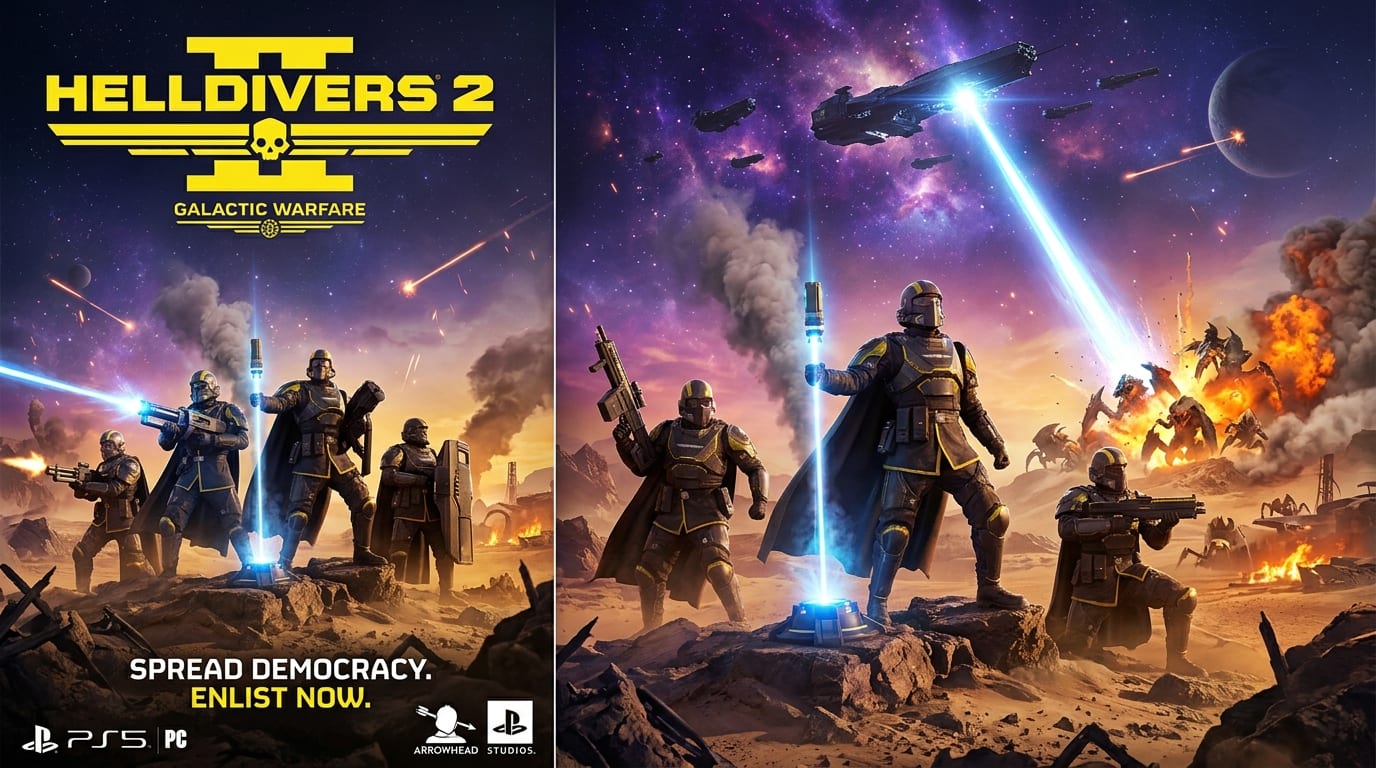
Instead of queuing into a fifth consecutive stressful ranked match where a single teammate's mistake ruins 40 minutes of MMR progress, millions of players are rallying in four-player Hellpods in Helldivers 2, purging Tyranid swarms in Warhammer 40,000: Space Marine 2, or tracking apex wyverns in Monster Hunter Wilds.
Title: Why Squad PvE Fixes the Skill-Gap Friend Group Dilemma
Badge: Cultural Shift
- The PvP Skill-Disparity Trap: In strict Skill-Based Matchmaking (SBMM) PvP, a veteran FPS player queuing with two casual friends after work pulls the entire lobby into high-ELO sweat fests where the casual friends get eliminated in 0.3 seconds.
- Asymmetric Co-Op Roles: In PvE horde and hunting games, a veteran can solo-kiting two Bile Titans or parry a Carnifex while newer teammates clear chaff, call orbital supplies, or man artillery.
- Comedy in Failure: Losing a ranked PvP match breeds frustration; getting accidentally ragdolled 80 meters by a friend's 500kg Eagle Bomb at extraction creates hilarious memories.
1. Solving the "Mixed-Skill Discord Group" Problem
Every adult gaming group knows the friction of trying to play a competitive shooter together when one friend plays 25 hours a week and another logs in only on Friday nights. In a 5v5 tactical shooter or Battle Royale, matchmaking algorithms must balance the lobby around the highest-rated party member—resulting in a miserable evening for the lower-ranked friends.
Cooperative PvE games turn skill disparity from a liability into a heroic dynamic:
- Scalable Difficulty Tiers: From Trivial to Super Helldive (Difficulty 10) in Helldivers 2 or Ruthless Operations in Space Marine 2, squads choose the exact intensity that matches their mood.
- Shared Victories, Zero-Salt Losses: Because enemy AI directors do not teabag or trash-talk in all-chat, even a desperate last-stand wipe feels like an action movie climax.
2. Mechanical Depth Without Ranked Anxiety
Crucially, modern co-op PvE hits are not brainless walks in the park. Mastering Focus Mode wound detonations in our Monster Hunter Wilds Guide or AP1–AP7 armor ricochet angles in our Helldivers 2 Advanced Field Tips offers just as much mechanical mastery as any competitive shooter—while letting you log off feeling energized rather than tilted.